Cirra Woman with Glasses
First Impression: Smart, Approachable, and Uniquely Handmade
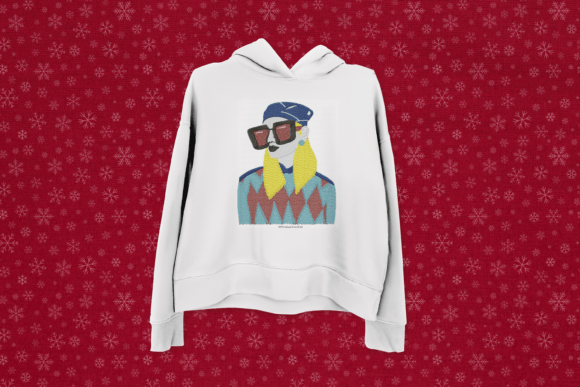
As an embroidery designer who’s prepped over 200 craft fair booths—and shipped thousands of finished products—I opened Cirra Woman with Glasses expecting charm, not cliché. What landed was a quiet confidence: modern but warm, clever but never sarcastic, detailed but not fussy. It leans into “intelligent handmade”—think indie bookstore tote, artisanal coffee shop apron, or a boutique kitchen towel that sparks conversation over morning tea. It’s not farmhouse, not minimalist, not retro—it’s *contemporary craft*, with personality stitched right in.
Where Cirra Woman with Glasses Shines on Craft Fair Products
This design thrives where authenticity meets utility. On a natural canvas tote bag? Instant standout—clean lines and expressive detail read clearly from three feet away. On a linen apron? It elevates the whole piece from functional to collectible. For tea towel embroidery, it holds up beautifully at 4–5 inches wide, especially when centered above a folded hem. As an embroidered patch? Highly effective—its balanced proportions and clear silhouette make it easy to iron-on or sew by hand without losing definition.
It’s less ideal for curved surfaces like baseball caps unless resized carefully (more on that below). On small fabric pouches (3"x4") or keychain tags, scale down only to 2.5 inches—and even then, test first. Pillow covers (16"–18") give it room to breathe as a focal point; pair it with solid-color linen or oatmeal cotton for maximum contrast and handmade appeal.
Selling Power: Why Customers Pause, Point, and Purchase
In a crowded market aisle, Cirra Woman with Glasses wins with subtlety and specificity. It’s not generic—it suggests story, identity, and intention. Buyers don’t just see “a woman”; they see *recognition*. That makes it magnetic for educators, librarians, book lovers, therapists, and creatives who wear their values visibly. At craft fairs, I’ve watched customers linger longer on items featuring designs like this—touching the stitch texture, smiling, then reaching for their wallet.
For Etsy sellers and small shop owners, it strengthens brand consistency: whether you’re selling embroidered tea towels or limited-run patches, Cirra Woman with Glasses signals thoughtful curation—not mass-produced filler. It raises perceived value without raising price points. And yes—it photographs exceptionally well: crisp edges, balanced negative space, and thread colors that pop against light and mid-tone fabrics.
Production Reality Check: What Works (and What Needs Care)
This is a well-structured machine embroidery design—but it’s not “set-and-forget.” Its charm lives in nuance: delicate glasses frames, subtle shading in the hair, and intentional line weight in the facial features. That means stitch density matters. Dense fill areas (like the hair or jacket collar) may require medium-weight cutaway stabilizer on knits or lightweight linens. On textured tea towels, opt for tear-away plus light iron-on topping to keep fine details legible.
Small lettering isn’t present—good news for readability—but tiny details *are*. The bridge of the glasses and eyelash hints shrink quickly. Below 2 inches, clarity fades. Avoid dark fabric unless you confirm high-contrast thread colors are included in the embroidery file—or plan to digitize your own alternatives. Also: test on scrap fabric *before* hooping your best market bags. Curved cap surfaces compress stitch placement—so if offering embroidered caps, resize to 3.25" max and verify spacing between elements doesn’t distort.
Booth & Brand Impact: More Than Just a Design
When displayed across multiple product types—tote bag, apron, pillow cover, and patch—Cirra Woman with Glasses builds visual rhythm. It creates cohesion without repetition. That’s gold for booth flow: shoppers subconsciously connect items, increasing basket size. It also invites engagement—people ask, “Is that you?” or “Who’s Cirra?” That’s free storytelling at your table.
For digital sellers, pairing Cirra Woman with Glasses with clean printable mockups (flat-lay totes, draped aprons, folded tea towels) boosts conversion. Use real fabric swatches in your photos—not just white backgrounds. Show how the stitch texture catches light. That handmade quality reads instantly online.
Pro Designer Notes Before You Stitch
- Always test the embroidery file on scrap fabric matching your final product’s weight and weave.
- Check thread contrast—especially for eyeglass lenses and facial highlights. Light gray or silver thread often lifts those details better than stark white on off-white fabric.
- Review spacing between facial features and frame lines. Tight gaps can merge on dense fabrics.
- Confirm hoop size compatibility before batch-hooping—some versions may require 5x7", others fit 4x4". Don’t assume.
- Inspect stitch density in shaded zones. If fills look overly heavy, reduce density slightly in your embroidery software—or add extra stabilizer.
- Use the right stabilizer: cutaway for stretchy or unstable fabrics; tear-away + topping for textured towels or napkins.
- Create at least one real mockup—not digital—before ordering 50 tote bags. See how light hits the stitches in person.
- Compare fabric colors side-by-side: oat, clay, sage, and soft black all change how the design reads. Keep a swatch board handy.
- Verify commercial licensing before selling finished products. This is a digital embroidery file intended for handmade product creation—not resale of the file itself.
Final Thought: A Design That Sells Because It Feels True
Cirra Woman with Glasses isn’t flashy—but it’s unforgettable in context. It fits seamlessly into the Accessories category while standing apart from generic florals or monograms. As a machine embroidery design, it rewards attention to detail and thoughtful execution. For craft fair sellers, Etsy sellers, and boutique makers, it’s more than a pattern—it’s a quiet statement of care, intelligence, and craft integrity. When stitched right, it turns everyday items into keepsakes. And in handmade markets, that’s the highest compliment—and the strongest sales signal—you can earn.