Farm Animals Embroidery Design
First Impressions: Charming, Clear, and Craft-Ready
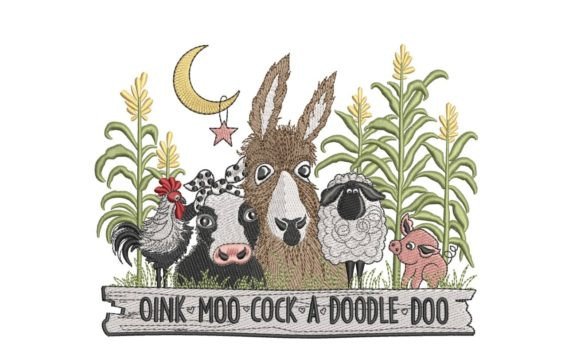
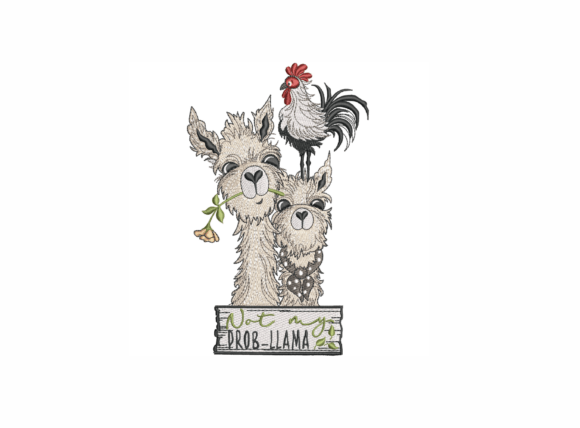
Opening the Farm Animals embroidery file felt like flipping through a well-loved storybook—soft curves, friendly proportions, and a gentle rhythm in the shapes. This isn’t a hyper-detailed livestock study or a cartoon explosion; it’s a balanced, cohesive machine embroidery design that lands right where most crafters and small businesses need it: approachable but not childish, stylized but still recognizable. The lama stands confidently at the center—rounded ears, expressive eyes, and just enough contour to suggest fluff without overloading stitch density. It reads clearly at 3.5 inches tall, which makes it ideal for tote bag designs, sweatshirt embroidery, or baby embroidery on onesies and bibs.
A Real Project Test: Embroidering a Linen Kitchen Towel
I pulled Farm Animals into my workflow for a batch of handmade kitchen towels—linen blend, medium weight, with a soft hand and subtle texture. I hooped it with tear-away stabilizer (medium weight), chose matte cotton thread in warm oat and charcoal gray, and stitched at normal speed. What stood out immediately was how cleanly the satin stitch wrapped the lama’s outline—no skipped stitches, no puckering. The fill stitch in the body held its shape without bleeding into the fabric grain, and the running stitch details (like the faint eyelash line and ear interior) stayed crisp even at this modest scale. Customers who’ve seen the finished towels comment on how “hand-drawn” and warm it feels—not stiff or digital. That’s the quiet strength of Farm Animals: it bridges handmade charm and machine precision.
Where It Shines—and Where to Pause
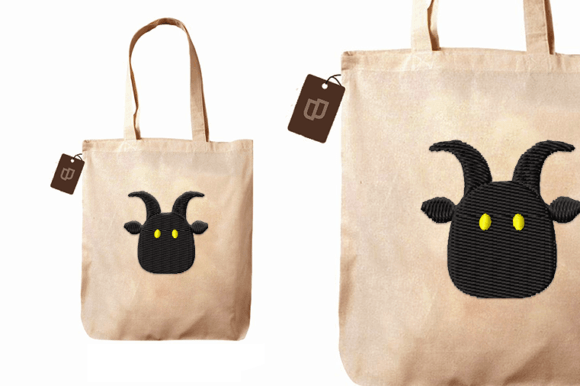
Farm Animals performs reliably across custom apparel and small-batch merchandise. On cotton sweatshirts? Yes—especially when paired with light stabilizer backing to prevent shadowing. On baby embroidery? Absolutely. Its rounded edges and open negative space make it forgiving on delicate fabrics and easy to hoop on onesies or burp cloths. As an embroidered patch? It works beautifully pre-cut and fused—just keep the backing stabilizer intact until after stitching.
But here’s where attention matters: on stretchy fabric like jersey tees, use cut-away stabilizer underneath and consider slightly reducing stitch speed. On dark fabric, test thread contrast first—the lama’s subtle shading relies on tonal variation, so a stark white-on-black combo may flatten some depth. And avoid cramming it into hoops smaller than 4x4 inches; the ears and base need breathing room, and tight corners can distort satin stitch flow on curved surfaces like caps or curved pillow covers.
Design Integrity Meets Customer Trust
When your Etsy seller or boutique customer sees Farm Animals stitched onto a tea towel or personalized gift, they’re not just seeing a lama—they’re reading consistency, care, and intention. That matters. A clean, well-digitized design like this builds trust faster than any listing description. It signals professionalism without shouting about it. For craft business owners bundling printable mockups or digital embroidery files, Farm Animals adds quiet credibility—it’s versatile enough for nursery decor, holiday embroidery (think mini stockings or ornament patches), or wedding gifts (a monogrammed lama on a linen napkin feels unexpectedly sweet).
Practical Designer Notes You’ll Actually Use
- Always test first—on scrap fabric matching your final project’s weight and stretch. Linen, cotton twill, and brushed poly all behave differently under needle and thread.
- Check thread color contrast before stitching large batches. Try your chosen palette against both light and dark fabric swatches—even slight shifts in hue affect perceived clarity.
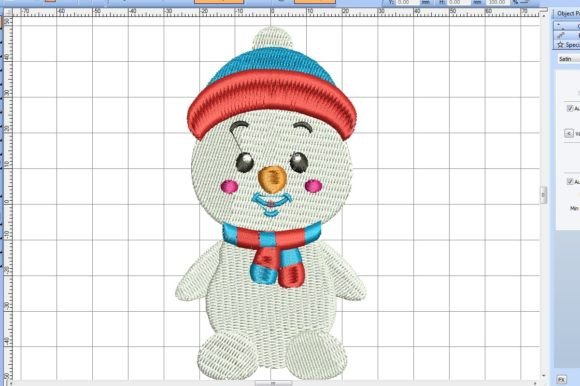
- Review stitch density in your embroidery software. Farm Animals avoids excessive density, but if you resize beyond 120%, inspect fill stitch spacing to prevent stiffness or fabric distortion.
- Confirm hoop size compatibility. While the design scales well, verify your machine’s maximum hoop dimensions—especially for commercial embroidery setups where timing and thread changes matter.
- Inspect small details at actual stitch-out size. That tiny nostril line? It holds up well—but only if your machine tension is calibrated and your needle is fresh.
- Test black-and-white mockups. If you’re building digital product previews or social media assets, grayscale renders help spot tonal balance issues before stitching.
- Use proper stabilizer—not just “some,” but the right type. Tear-away for stable wovens, cut-away for knits, and fusible for lightweight layers like baby blankets.
- Verify licensing before selling finished products or reselling the digital embroidery file. Since Farm Animals is marketed for multiple machines and formats, confirm whether it’s cleared for commercial embroidery or limited to personal use.
Beyond the Stitch: Why This Design Fits Your Workflow
Farm Animals doesn’t try to be everything. It doesn’t include five alternate poses or 20 color palettes. Instead, it delivers one strong, thoughtful interpretation—clean enough for modern branding, warm enough for handmade presentation, and flexible enough for real-world constraints. Whether you’re designing a small shop product for a local farmers’ market, prepping holiday embroidery for a client, or building a cohesive set of design assets for your Etsy shop, Farm Animals slots in naturally—not as filler, but as a considered element.
It also pairs quietly well with other farm-themed motifs (a simple barn, a sun, a wheat sprig) without competing. That makes it valuable for creating families of embroidery projects—like a coordinated nursery set or a seasonal collection of kitchen linens. And because it avoids overly dense areas or micro-details, it’s less likely to frustrate beginners while still satisfying experienced designers looking for reliable, repeatable results.
In short: Farm Animals earns its place in your embroidery project queue not by shouting, but by showing up—consistently, clearly, and ready to work.