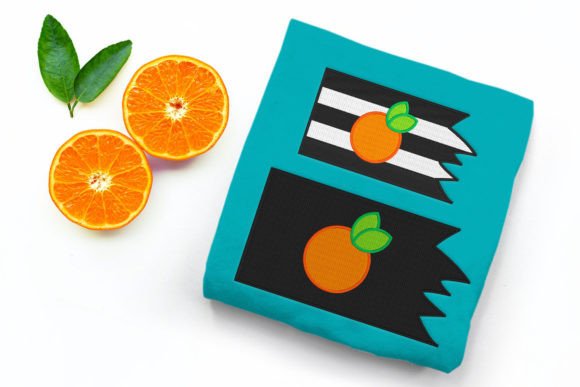
Striped or Solid Orange Pirate Flag
A Playful, Professional Touch for Food & Lifestyle Brands
As an embroidery designer who’s digitized and stitched over 2,400 commercial designs for small businesses—from artisanal bakeries to pet boutiques—I approached the Striped or Solid Orange Pirate Flag with equal parts curiosity and caution. The title alone signals personality: bold, cheeky, and unexpectedly grounded in food literacy (“Because scurvy can keep even the most gentlemanly pirate from enjoying fine things”). That wink at nutrition—paired with a pirate flag motif—makes this more than whimsy. It’s brand storytelling in stitch form. For a café launching branded aprons, a citrus-focused jam company needing tote bag accents, or a handmade soap studio seeking playful chest patches, the Striped or Solid Orange Pirate Flag lands as friendly, confident, and memorably human—not cartoonish, not corporate, but authentically small-business.
Real-World Performance Across Merchandise Types
In practice, the Striped or Solid Orange Pirate Flag excels where personality meets practicality. As an embroidered patch, it holds crisp definition on twill, canvas, or denim—ideal for attaching to tote bags, shop aprons, or staff jackets. Its clean silhouette (flag + orange) avoids fussy detail, so it reads clearly at 2.5”–3.5” width—the sweet spot for cap fronts, sleeve accents, and boutique merchandise tags. On custom apparel, it works beautifully as a left-chest logo on work shirts or barista aprons: the orange element adds warmth against neutral fabrics like charcoal grey or natural linen, while the flag structure gives visual weight without overwhelming.
For tote bag design or product packaging accents, the dual-option format (“striped or solid”) is a strategic win—you can match stripe direction to your brand’s existing pattern language or go solid for minimalist cohesion. And because it’s rooted in the Food category—not just decoration—it subtly reinforces values: freshness, vitamin C, craft care, even a nod to heritage preservation (pirate ships carried citrus to prevent scurvy, after all). That layered meaning builds brand identity without saying a word.
Where to Use It Thoughtfully
Like any strong machine embroidery design, the Striped or Solid Orange Pirate Flag demands context-aware application. Avoid scaling it below 1.75” wide—tiny lettering isn’t present, but tight curves in the flag’s edge or orange stem may blur on low-stitch-count runs. On highly textured fabric like bouclé knit or heavy burlap, test with medium-weight cutaway stabilizer to prevent puckering. For cap embroidery, confirm the hoop size accommodates its proportions comfortably; curved fronts compress height, so a slightly wider, shorter version may be needed for optimal drape.
Also consider contrast: if stitching onto dark uniforms (navy chef coats, black pet-sitting vests), verify thread color selection delivers legibility—especially around the orange outline. And while the design avoids excessive stitch density, always check the file’s underlay and pull compensation if running high-volume batches. Frequent washing? Recommend it for outerwear layers (totes, aprons, caps) rather than direct-skin garments unless paired with soft, low-abrasion threads.
Strengthening Trust, Recognition, and Value
Small business customers don’t just buy merch—they buy alignment. The Striped or Solid Orange Pirate Flag signals approachability *and* attention to detail. That balance elevates perceived professionalism: it’s not “cute,” it’s *intentional*. When sewn onto a bakery’s flour-dusted apron or a florist’s reusable tote, it quietly says, “We care about craft, flavor, and fun—in equal measure.” That consistency across touchpoints strengthens customer trust and makes your handmade product feel curated, not generic.
For Etsy sellers and craft brands, this design also boosts buyer engagement. Its narrative hook (“scurvy!”) invites conversation—staff can share the origin story, social posts gain organic reach, and unboxing moments become shareable. Unlike purely decorative motifs, it ties directly to real-world value: health, quality ingredients, and joyful ritual. That resonance lifts perceived product value, especially when paired with premium materials and clean embroidery file execution.
Practical Designer Notes Before You Stitch
Before committing to production, follow these field-tested steps:
- Test in black and white first—verify shape integrity without color distraction.
- Check small-patch viability at 2” width on your target fabric; adjust density if edges soften.
- Review thread color contrast on both light and dark substrates—orange-on-navy needs brighter thread than orange-on-cream.
- Inspect spacing between flag stripes and orange outline; tight gaps may fill in during stitching.
- Confirm hoop size compatibility, especially for curved surfaces like caps or rolled sleeves.
- Test on real fabric with your standard stabilizer stack—don’t rely solely on digital mockups.
- Create a printable mockup for client approval that shows scale, placement, and thread palette.
- Compare beside other design assets—does it harmonize with your logo, typography, and secondary patterns?
- Verify commercial licensing before using on resale items—this is essential for commercial embroidery and small business merch.
Finally, remember: the strength of the Striped or Solid Orange Pirate Flag lies not just in its charm, but in its flexibility. Whether you’re building apron embroidery for a sourdough bakery or designing cap embroidery for a citrus-themed pop-up shop, it delivers personality with precision—and that’s rare in the world of digital embroidery file assets.