Gingerbread Cottage 3: A Warm, Gift-Ready Holiday Design
First Impressions: Sweet, Seasonal, and Surprisingly Versatile
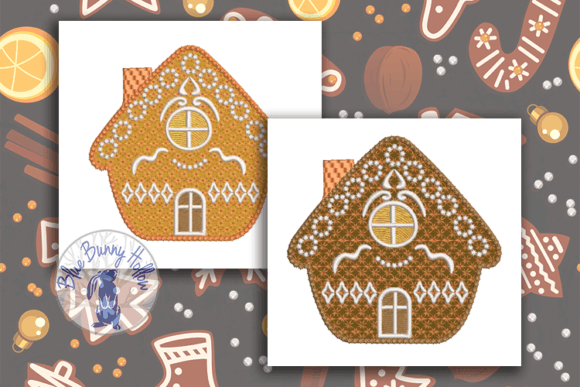
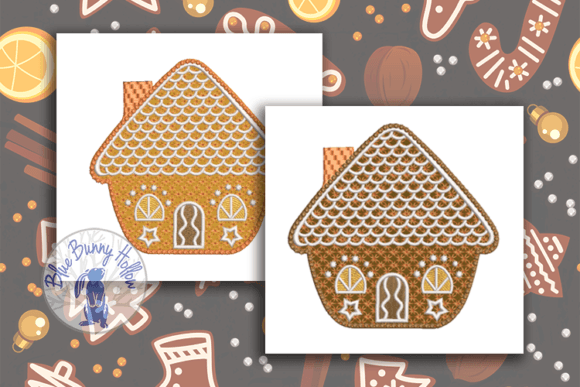
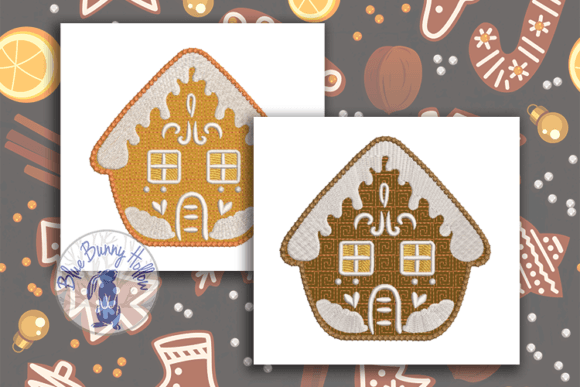
As an embroidery designer who’s tested hundreds of holiday motifs for personalized gift shops, Gingerbread Cottage 3 stands out—not for flashiness, but for quiet charm. Unzipping the file, I was struck by how immediately *cozy* it feels: soft curves, balanced proportions, and that signature hand-drawn warmth you rarely see in mass-produced machine embroidery designs. It reads as classic Christmas—not kitschy or cartoonish—but with enough detail to feel intentional and handmade. The white thread emphasis (as noted in the product description) suggests a clean, nostalgic palette—think sugar-dusted gingerbread, not neon candy canes. That simplicity is its superpower: it invites personalization without competing with the item it’s stitched onto.
Where Gingerbread Cottage 3 Shines in Real Gift-Making
This isn’t just another tree or snowflake—it’s a story-starter. For baby embroidery? Stitch it onto a muslin swaddle or organic cotton blanket; the cottage becomes a gentle, gender-neutral nursery motif that grows with the child. As a wedding gift, it transforms a linen pillow cover into a keepsake—imagine “Est. 2024” stitched beneath the chimney, or tiny embroidered initials tucked into the windowpane. Etsy sellers love how it elevates simple kitchen towels: pair it with a monogrammed corner and you’ve got a bestseller for holiday markets. Small shop owners tell me customers consistently choose Gingerbread Cottage 3 for custom tote bags—especially for teachers, nurses, or new grandparents—because it signals thoughtfulness, not trend-chasing.
It works beautifully on aprons (stitched above the pocket), embroidered towels (centered on the front panel), and even delicate pillow covers made from linen-cotton blends. For craft fairs, I recommend pairing it with natural fiber blanks—undyed canvas totes, oatmeal-colored blankets, ivory tea towels—to let the white-on-white subtlety shine. And yes, it’s strong enough for digital embroidery file listings on Etsy: buyers appreciate that it’s detailed but not overly dense, so it stitches reliably across home embroidery machines.
Where to Use Gingerbread Cottage 3 Thoughtfully
Not every surface is ideal—and that’s where real-world testing matters. Avoid placing it on highly textured fabric like thick terry cloth towels unless you reinforce with cutaway stabilizer and reduce stitch density manually. On stretchy baby onesies? Proceed with caution: the cottage’s fine lines may pucker unless you use lightweight tear-away + topping and test extensively. Curved surfaces—like the rounded edge of a mug cozy or a baseball cap front—require careful hooping and possibly digitizing adjustments you won’t get from the base file.
Dark fabric is doable, but only if you confirm contrast: white thread on navy or charcoal needs a crisp, high-density fill to avoid shadowing. And while the design feels durable, remember—frequent washing weakens delicate decorative stitches over time. Reserve it for low-wear items like wall hangings, framed nursery art, or guest towels rather than daily-use dishcloths.
Small Details Matter—Especially for Gifting
The roof shingles, candy cane fence posts, and tiny icing swirls are what make Gingerbread Cottage 3 feel special—but they’re also where stitching hiccups show up fastest. If your machine skips a few satin-stitch lines on the door trim, the whole “handmade quality” impression slips. That’s why I always advise: stitch a full-size sample on scrap fabric *before* committing to a customer order. Check small details under good light. Confirm your hoop size accommodates the full design comfortably—no crowding at the edges. And never skip the stabilizer test: lightweight fabric needs more support than quilting cotton, and vice versa.
Why This Design Builds Trust—and Sales
In my decade of designing for small businesses, I’ve learned this: customers don’t buy embroidery files—they buy emotional resonance. Gingerbread Cottage 3 delivers that instantly. It feels nostalgic but not dated, festive but not overwhelming. When photographed on a folded baby blanket or draped over a rustic kitchen counter, it tells a story before a word is read. That translates directly to higher perceived value: buyers pay more for pieces that feel curated, not generic.
For Etsy sellers, it boosts engagement—shoppers linger longer on listings featuring this design because it sparks imagination (“What would *my* version look like?”). For brick-and-mortar gift shops, it encourages repeat visits: customers return each December knowing they’ll find fresh, cohesive holiday offerings. And for wedding or baby registries? It adds a quiet elegance that aligns with today’s preference for meaningful, non-trendy keepsakes.
Practical Next Steps Before You Stitch
- Test first: Always run a full-size stitch-out on scrap fabric matching your final product’s weight and texture.
- Check thread colors: Even if the file defaults to white, verify contrast on light vs. dark fabric mockups—especially for commercial embroidery.
- Confirm hoop size: Measure the design dimensions against your machine’s maximum hoop capacity—don’t assume.
- Review stitch density: High density looks lush but may cause puckering on delicate fabrics; adjust if needed.
- Choose stabilizer wisely: Cutaway for knits and towels, tear-away for stable wovens, topping for napped fabrics.
- Compare light/dark mockups: A printable mockup helps visualize how Gingerbread Cottage 3 will land on your finished product.
- Verify licensing: If selling finished goods, ensure your purchase includes commercial rights for the embroidery file—this is non-negotiable for small shop products.
At its heart, Gingerbread Cottage 3 isn’t just a holiday embroidery design—it’s a thoughtful connector. Between maker and customer. Between tradition and personal meaning. Between a blank towel and a treasured heirloom. Used with care, it doesn’t just decorate a product—it deepens the reason someone chooses your handmade product over mass retail. And in today’s market, that’s the most valuable stitch of all.