Lantern: Warm, Elegant Holiday Embroidery
First Impression: Festive, Premium, and Instantly Recognizable
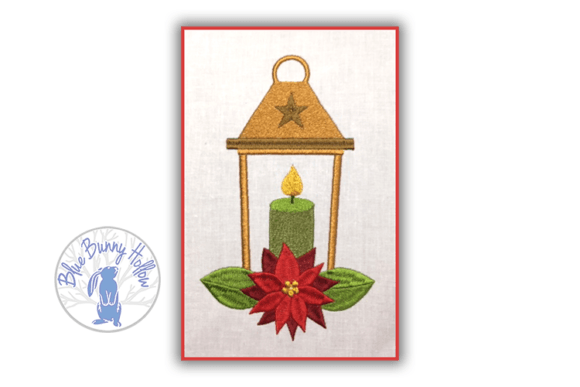
As an embroidery designer who’s prepped over 200 craft fair booths, my gut reaction to Lantern is immediate: this isn’t just another Christmas motif—it’s a mood. The phrase “flickering candle inside a lantern adorned with a stunning poinsettia” signals warmth, tradition, and quiet elegance—not kitsch or clutter. It reads as premium at a glance, which matters when shoppers are scanning your table in under three seconds. No snowmen, no reindeer, no glitter bombs—just refined holiday storytelling. That makes Lantern ideal for buyers who want handmade charm without sacrificing sophistication.
Where Lantern Shines on Craft Fair Products
Lantern performs strongest where scale, texture, and intention align. On a heavyweight linen tea towel? Exceptional—its balanced composition holds up against kitchen wear and reads clearly from across the aisle. As an apron embroidery centered above the pocket? Yes—it adds heirloom weight without overwhelming utility. As a small embroidered patch (2.5"–3") on denim tote bags or canvas market bags? Highly effective, especially when stitched in rich burgundy, cream, and charcoal thread colors that pop against natural fabrics.
It also elevates pillow covers and fabric pouches—items customers treat as giftable small shop products. Unlike busy all-over patterns, Lantern works beautifully as a single focal point, reinforcing perceived value. On caps? Use caution: the lantern shape and poinsettia details may distort on curved surfaces unless digitized with strategic underlay and reduced density. For Etsy sellers, Lantern translates well into printable mockups—its clean silhouette and defined negative space photograph crisply on white or oat-colored backdrops.
What Makes Lantern Sell—And What Requires Care
Sales momentum starts with clarity. Lantern delivers that: even at 3 inches wide, the candle glow and poinsettia silhouette remain legible. That means it works as both a bold centerpiece (e.g., 5" on a tote bag front) and a subtle accent (e.g., 1.75" on a corner of a hand-stitched tea towel). Its symmetry and centered composition make it forgiving across varied hoop sizes—and less prone to misalignment during batch production.
But don’t skip due diligence. High stitch density around the poinsettia petals and candle flame could cause puckering on textured towels or thick cotton blends. If embroidering on dark fabric, verify thread contrast—cream or antique gold thread may vanish on navy or charcoal unless paired with a light stabilizer backing. Tiny flame details risk blurring on low-thread-count fabrics or if scaled below 2". And yes—those delicate petal edges? They’ll struggle on stiff, heavily starched caps or curved brims without precise tension control and cutaway stabilizer.
Booth-Ready Practical Notes for Embroidery Designers
- Always test on scrap fabric first—especially with your exact towel weave or cap material. Stitch density and fabric texture interact unpredictably.
- Check thread contrast in natural light, not just screen light. What looks vibrant on your monitor may mute on oat linen or unbleached canvas.
- Review spacing between lantern frame and poinsettia elements. Tight crowding increases risk of thread nesting; generous breathing room supports crispness in commercial embroidery runs.
- Confirm hoop size compatibility before cutting dozens of fabric pieces. A 4"x4" version might be perfect for patches, but you’ll need 5"x7" or larger for pillow covers.
- Use appropriate stabilizer: medium-weight cutaway for stable fabrics like linen or duck cloth; tear-away with light topping for delicate tea towels.
- Create at least one real mockup—not just a digital preview. Drape it on your actual tote or apron. See how light hits the stitches. Watch how it moves with fabric drape.
- Compare fabric colors side-by-side. A cream thread on ecru linen reads warm and cohesive; on ivory polyester, it can look flat. Let the base fabric guide your thread palette.
- Verify commercial licensing before selling finished products. This is non-negotiable for Etsy sellers and boutique makers distributing physical goods.
How Lantern Strengthens Your Handmade Brand
In a sea of red-and-green chaos, Lantern quietly asserts quality. It doesn’t shout—it invites. That builds trust. Customers linger longer at booths where embroidery feels intentional, not incidental. When placed beside rustic burlap sacks or minimalist ceramic mugs, Lantern reinforces brand consistency: thoughtful, seasonal, and made with care. It also encourages repeat engagement—shoppers remember elegant motifs more than generic slogans. Pair it with a simple kraft tag reading “Hand-Embroidered | Holiday 2024”, and you’ve turned a craft fair product into a keepsake.
Final Verdict for Creative Entrepreneurs
Lantern is a high-signal, low-noise machine embroidery design—ideal for makers who sell handmade products rooted in authenticity, not trend-chasing. It photographs well for Etsy listings, scales reliably across product types, and carries emotional resonance without leaning on cliché. For small shop owners building a cohesive holiday collection, it’s a versatile anchor design—not filler, not fluff, but foundation. Just remember: elegance demands precision. Test, tweak, and treat every stitch like it’s going home with someone’s favorite aunt. Because in craft fairs and handmade markets, that’s exactly where your best work ends up.