Swirl Pumpkin: Elegant Autumn Embroidery That Sells
First Impression: Refined, Not Rustic — A Standout for Discerning Buyers
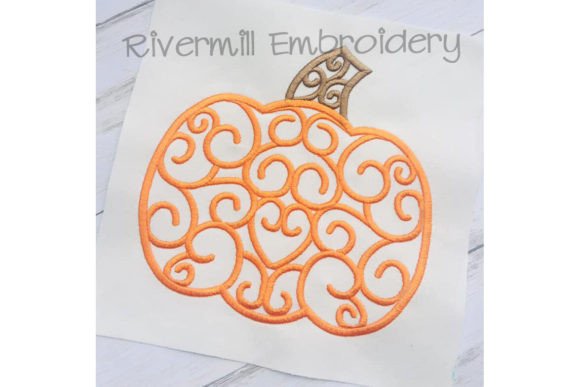
As an embroidery designer who’s curated over 200 craft fair booths, I’ll say it straight: Swirl Pumpkin doesn’t shout “fall festival.” It whispers sophistication. The moment I read “elegant and intricate pattern of swirling vines and leaves enveloping a classic pumpkin motif,” I pictured something that leans into botanical artistry—not cartoonish charm or farmhouse cliché. That’s its superpower. In a sea of chunky pumpkins and corny slogans at handmade markets, Swirl Pumpkin feels premium, intentional, and quietly festive. It reads as autumnal without leaning on clichés—ideal for buyers who want seasonal warmth with design integrity.
Where Swirl Pumpkin Shines on Craft Fair Products
This isn’t a one-size-fits-all machine embroidery design. Its strength lies in context—and intentionality.
- Tote bags & market bags: Perfect as a centered chest or lower-side focal point. The swirls create graceful movement across canvas or linen, making even simple bags feel custom-made. Avoid overcrowding—let the vine flow naturally.
- Aprons & tea towel embroidery: Ideal for the upper corner or pocket area. On aprons, it adds heirloom quality; on kitchen towels, it elevates everyday utility into giftable handmade product status.
- Embroidered patches & fabric pouches: Swirl Pumpkin scales beautifully down to 3–4 inches. As a patch, it becomes a collectible accent—great for bundling with pins or stitch kits. On small pouches, it reads as delicate but confident.
- Pillow covers & booth samples: This is where Swirl Pumpkin truly commands attention. Mounted on a textured oatmeal linen pillow or framed in a hoop display, the vine detail catches light and invites touch—critical for slowing foot traffic at your booth.
- Caps & curved surfaces: Proceed with caution. The swirling lines require precise digitizing for curvature. If your file wasn’t optimized for caps, distortion may flatten the elegance. Test first.
What Makes Swirl Pumpkin Sell Online and In-Person
For Etsy sellers and digital embroidery file shops, Swirl Pumpkin has strong visual storytelling potential. Its composition photographs cleanly—even on textured towels or dark fabrics—because the contrast between vine and pumpkin creates natural depth. Unlike dense fill-heavy designs, the open swirl structure avoids “muddiness” in flat-lay photos or printable mockups.
It also supports repeatable batch production: no tiny lettering, no micro-details that vanish under thread tension. That means fewer re-hooping moments, consistent stitch density across dozens of tote bags, and reliable turnaround for holiday orders. As a small shop product, it reinforces brand consistency—especially if you pair it with other botanical or seasonal embroidery files in your catalog.
Careful-Use Notes Every Designer Must Check
“Intricate” is a cue—not a compliment—to slow down. Before cutting fabric or loading hoops:
- Dense stitch areas: Vines wrapping tightly around the pumpkin base may pile up thread. Confirm spacing and underlay in your embroidery file—don’t assume density is balanced.
- Fabric texture matters: Swirl Pumpkin will blur on heavily napped terry cloth or thick quilted cotton. Stick to smooth-weave linens, medium-weight cotton canvas, or twill for clarity.
- Dark fabric + light thread? Test contrast. Some vine details disappear if thread lacks enough pop against charcoal or navy backgrounds.
- Small sizes = selective scaling: Below 2.5 inches, simplify mentally: prioritize the pumpkin silhouette and one dominant vine curve. Let secondary leaves fade—not literally, but visually.
- Stabilizer strategy: Use cutaway or tear-away depending on fabric stretch—but never skip it. Those swirling lines need firm support to hold their shape through washing and wear.
Real-World Designer Workflow Tips
I don’t launch any new embroidery file into craft fair rotation without these steps:
- Test on scrap fabric—same weight and weave as your final product. Watch how thread lays on seams, curves, and edges.
- Check thread colors against your most common fabric palette (cream, olive, rust, charcoal). Does the same thread set read equally well on all four?
- Review spacing and hoop size before digitizing adjustments. If your file requires a 6x10 hoop but your best-selling tote only fits 5x7, you’ll lose sales—not charm.
- Inspect stitch density in software or via simulation. Overly dense sections heat up needles and cause puckering—especially on lightweight tea towels.
- Create at least one real mockup—not just a digital preview. Drape it on your booth table. Hold it beside your other top sellers. Does it hold its own?
- Compare fabric colors side-by-side. A pumpkin in burnt orange reads warm on ivory linen—but flat on beige chambray. Context changes everything.
- Confirm commercial licensing before selling finished products. If you’re an Etsy seller offering embroidered tote bags, you need rights to use Swirl Pumpkin commercially—not just for personal stitching.
Final Thought: Swirl Pumpkin Is a Mood, Not Just a Motif
At craft fairs, people don’t buy pumpkins—they buy feelings. Warmth. Nostalgia. Intention. Swirl Pumpkin delivers that through craftsmanship, not cliché. It works because it respects the buyer’s taste—and the maker’s time. It’s not the easiest design to digitize, but it’s one of the most rewarding to sell: high perceived value, strong visual cohesion, and effortless seasonality without shouting.
Whether you’re prepping for your next handmade market, updating your Etsy embroidery file shop, or building a boutique line of autumn-themed small shop products—Swirl Pumpkin earns its place. Just remember: elegance needs intention. Test it. Touch it. Show it off—not as decoration, but as evidence of care.