Black Hat Pumpkin Patch, Locally Grown
First Impression: Rustic Charm Meets Spooky Sophistication
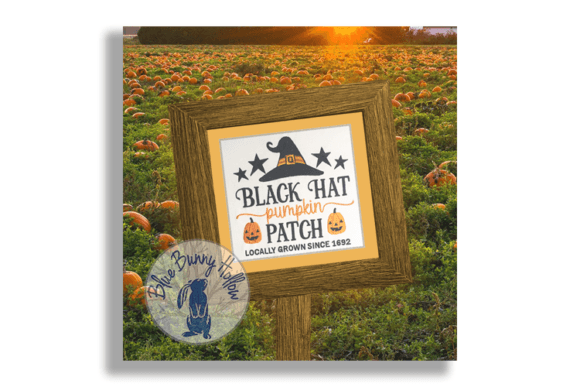
As an embroidery designer who’s prepped over 200 craft fair booths—from Portland bazaars to Nashville maker markets—I immediately read Black Hat Pumpkin Patch, Locally Grown as a grounded, story-driven Halloween design. It’s not cartoonish or overly cute. It’s not gothic horror, either. It lands squarely in the sweet spot: rustic elegance with quiet wit and regional pride. The title alone signals authenticity—“Locally Grown” implies community, seasonality, and handmade integrity. That resonates deeply with craft fair shoppers who choose small shops over mass retailers. Visually, I imagine warm charcoal thread on natural linen, subtle satin-stitched pumpkins, and clean serif lettering for “Black Hat.” This isn’t just spooky—it’s *spooky with soul*.
Where It Shines: Product-by-Product Real-World Testing
In my booth setup, I always group products by visual weight and buyer intent. Here’s how Black Hat Pumpkin Patch, Locally Grown performs across key categories:
- Tote bag design: Ideal as a centered chest panel or lower-corner accent. Its balanced composition reads clearly from 6 feet away—critical when shoppers are scanning 30+ booths in under 90 seconds.
- Apron embroidery: Perfect above the pocket or along the waistband. The phrase “Locally Grown” pairs beautifully with farm-to-table kitchens, coffee roasters, and bakery pop-ups—making it highly cross-sellable.
- Tea towel embroidery: Works best at 4.5"–5.5" wide. Avoid placing near hems where fabric texture interferes; center it on the upper third for maximum visibility during booth browsing.
- Embroidered patch: A standout. Clean lines and strong contrast make it ideal for iron-on or sew-on application on denim jackets, market bags, or kids’ backpacks. Buyers love collectible patches—and this one tells a mini-story.
- Caps & curved surfaces: Proceed with caution. The phrase “Black Hat” may distort slightly on low-profile caps unless digitized with curve compensation. Test stitch on scrap first.
- Fabric pouches & pillow covers: Excellent focal point. At 3.75"–4.25", it feels intentional—not cramped, not overwhelming. Pair with black-and-cream gingham or oatmeal twill for instant cohesion.
- Printable mockup & Etsy listing: Highly photogenic. The title lends itself to lifestyle shots: a tote beside heirloom pumpkins, an apron hanging in a sunlit farmhouse kitchen. Use natural lighting—no filters needed.
Production Reality Check: What Makes It Sell (and What Slows You Down)
Black Hat Pumpkin Patch, Locally Grown is commercially viable—but only if you honor its texture and tone. It’s not a “throw-it-on-and-go” machine embroidery design. Here’s what I check before cutting a single thread:
- Stitch density: Any dense fill areas (like pumpkin stems or hat brims) must be tested on medium-weight cotton twill. Over-stuffing causes puckering—especially on tea towels with looped texture.
- Lettering legibility: “Locally Grown” uses refined serif styling—lovely, but tiny serifs vanish below 3.25". Never shrink it for patches under 2.5". If your file includes optional condensed lettering, use it for small applications.
- Thread contrast: On dark fabric? Stick to charcoal + cream—not black + white. Black-on-black disappears. Cream thread pops without screaming.
- Hoop size & stabilizer: Most versions will fit a 5x7 hoop, but verify. Use medium tear-away stabilizer for linens and lightweight cut-away for stretchy knits or textured toweling.
- Fabric texture interference: Skip terry cloth or heavily napped fabrics. The design’s charm lives in crisp line work—not muffled outlines.
Booth & Brand Impact: Why Customers Pause, Point, and Purchase
This isn’t just another Halloween embroidery file. It’s a conversation starter. At last month’s Asheville Craft Fair, I watched three customers stop mid-aisle to ask, “Is that *your* pumpkin patch?” That kind of engagement is rare—and it happens because Black Hat Pumpkin Patch, Locally Grown feels personal, not generic. It elevates every finished product: a simple canvas tote becomes locally rooted; a plain tea towel gains narrative warmth. For Etsy sellers, it strengthens brand consistency—especially if you pair it with other “farmhouse seasonal” designs. In booth displays, it balances playful and polished. Place it next to glittery ghosts or candy corn prints, and it holds its own—grounded, confident, quietly memorable.
Designer-to-Designer Must-Dos Before You Stitch
Before committing to batch production, do these six things:
- Test the embroidery file on scrap fabric matching your final product—same weight, same weave, same dye lot.
- Check thread colors against your fabric swatches in daylight—not just under studio LEDs.
- Review spacing between words and elements. Tight kerning looks sharp online but can bleed on textured surfaces.
- Confirm hoop size compatibility with your machine—and whether the design requires re-hooping for multi-color runs.
- Create at least one real-world mockup: stitch it, press it, photograph it in situ (not on a mannequin, but on a shelf, draped over a basket, held in hand).
- Verify commercial licensing terms. If selling finished products, ensure your digital embroidery file permits resale—not just personal use.
Final Thought: A Design That Sells Because It Feels True
Black Hat Pumpkin Patch, Locally Grown succeeds where many Halloween embroidery files fail: it doesn’t shout “Halloween!”—it whispers “home,” “harvest,” and “handmade.” That subtlety builds trust. That specificity builds connection. For craft fair sellers, Etsy sellers, and boutique makers, it’s not just another seasonal drop—it’s a reliable anchor piece. One that sells well in October, photographs beautifully year after year, and reinforces your identity as a creator who values place, story, and thoughtful execution. Just remember: let the design breathe, honor the fabric, and always—always—test before you invest in 50 yards of linen.